
Hearing that you need a root canal may not be your favorite news, but the treatment itself is designed to save your natural tooth and eliminate infection. For many patients, the relief they feel after a root canal is immediate. However, completing the root canal is often only part of the journey.
In many cases, a dental crown is the next step in protecting your tooth and its functionality. Crowns do more than restore strength—they can also improve comfort, enhance appearance, and help preserve the health of your smile.
Why Teeth Become More Vulnerable After a Root Canal
A root canal removes damaged or infected tissue from inside the tooth, allowing your dentist to save the natural tooth structure rather than extract it. While this is an excellent outcome, the tooth is often weaker after treatment than it was before.
Many teeth that require root canals have already experienced significant decay, fractures, or large fillings. As a result, there may be less healthy tooth structure remaining to support everyday chewing forces.
Common concerns after a root canal include:
- Reduced tooth strength
- Increased risk of cracks or fractures
- Discomfort when chewing
- Cosmetic concerns caused by damage or discoloration
Without additional protection, the tooth may be more vulnerable to future problems.
How a Dental Crown Protects Your Tooth
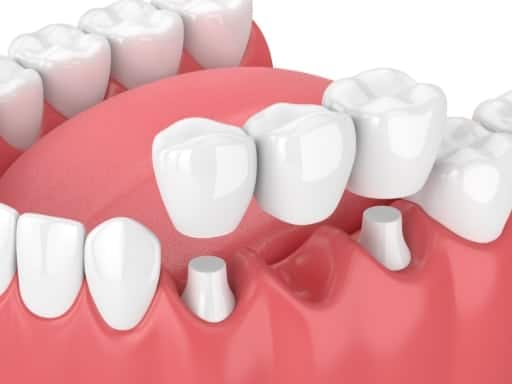
A dental crown acts like a protective shell that covers the entire visible portion of the tooth. By surrounding the remaining structure, the crown helps absorb and distribute the pressure created by chewing and biting.
This added support provides several important benefits:
- Protection from Fractures: Root canal-treated teeth are more susceptible to cracking. A crown helps reinforce the tooth and reduce the risk of damage.
- Longevity and Stability: Crowns help preserve the remaining healthy tooth structure and support the tooth’s function for years to come.
- Improved Function: Many patients find it easier and more comfortable to chew after a crown is placed.
- Predictable Results: Crowns help extend the lifespan of a treated tooth, allowing patients to continue using their natural tooth whenever possible.
For back teeth, which experience significant chewing forces every day, crowns are often strongly recommended after root canal treatment.
Dental Crowns Can Improve Appearance, Too
While root canals focus on restoring oral health, crowns provide an opportunity to improve aesthetics as well.
Modern dental crowns are custom-designed to blend seamlessly with surrounding teeth. Materials such as porcelain and ceramic closely mimic the natural color and translucency of enamel, allowing the restoration to look both attractive and natural.
Can a Crown Help Reduce Sensitivity?
Although a root canal removes the nerve inside the tooth, some patients may still experience sensitivity related to surrounding tooth structure or pressure when chewing. Teeth that have suffered significant damage may also feel less comfortable without additional reinforcement.
A dental crown creates a protective barrier around the treated tooth. By covering weakened areas and helping distribute bite forces evenly, the crown can improve overall comfort and help patients feel more confident when eating and speaking.
Every situation is unique, but many patients appreciate the additional protection and stability a crown provides after treatment.
When Is a Crown Recommended?
The decision depends on several factors, including the location of the tooth and the amount of healthy structure remaining. Molars and premolars typically benefit the most from crowns because they absorb the greatest amount of chewing pressure.
Your dentist will evaluate:
- The location of the tooth
- The amount of remaining tooth structure
- Your bite and chewing habits
- The long-term prognosis of the tooth
These factors help determine whether a crown is the best way to protect your investment in your oral health.
Protect Your Smile for Years to Come
A root canal can save a damaged tooth, but a dental crown often provides the protection needed to keep that tooth healthy and functional for the long term. By restoring strength, improving comfort, and enhancing appearance, crowns serve as the ideal companion to many root canal treatments.
If you have recently undergone a root canal or have questions about whether a crown is right for your smile, talk with your dentist about the best options for protecting your tooth and maintaining your oral health for years to come.