
Sedation Dentistry
Do you often dread going to the dentist? Do you put off important dental treatments because you have dental anxiety? Sedation dentistry can help put you at ease.
At Middle Tennessee Prosthodontics, we want every patient to receive the dental care they need while feeling secure, comfortable, and heard. Whether you experience mild nervousness or significant dental anxiety, our sedation options can help make your visit more comfortable.
For patients who need deeper sedation, we partner with local dental anesthesiologists. Find out more about sedation dentistry by calling our friendly team in Brentwood today!
Sedation Dentistry Options at Middle Tennessee Prosthodontics
There isn’t one sedation option that is right for every patient. Your comfort level, health history, and planned dental treatment can all help determine which option is appropriate for you.
At Middle Tennessee Prosthodontics, we offer two primary sedation options:
Before recommending sedation, our team will talk with you about your concerns, review your treatment plan, and help determine an appropriate option.


Who Can Benefit From Sedation Dentistry in Brentwood?
You don’t need to have an extreme fear of dentistry to benefit from sedation. Dental anxiety exists on a spectrum, and the things that make one patient nervous may not bother another patient at all.
Sedation dentistry may be worth discussing if you experience:
Our goal isn’t to convince every patient that they need sedation. Instead, we want to understand what makes dental care difficult for you and find an approach that helps you feel more comfortable.
Dental Anxiety Is More Common Than You May Think
Dental anxiety can look different for everyone. You may feel perfectly comfortable having your teeth cleaned but become anxious when you need restorative treatment. Another patient may dislike needles, dental sounds, certain sensations, or simply not knowing what is happening.
Some common signs of dental anxiety include:
- Appointment Dread: You begin worrying days before your scheduled visit.
- Frequent Cancellations: Anxiety causes you to repeatedly postpone treatment.
- Waiting for Pain: You avoid the dentist until a dental problem becomes uncomfortable.
- Physical Tension: You find yourself gripping the chair or struggling to relax.
- Fear of Procedures: The thought of injections, drilling, or other treatment makes you nervous.
- Feeling Overwhelmed: The sounds and sensations of a dental office are difficult for you.
Unfortunately, avoiding the dentist can create a frustrating cycle. A small dental concern may become more complicated when it isn’t treated. More extensive treatment may eventually be necessary, which can make an anxious patient even more hesitant to return.
Sedation dentistry can help make necessary care feel more manageable.
Benefits of Sedation Dentistry at Our Brentwood Office
Sedation dentistry isn’t simply about making you sleepy. For the right patient, it can make receiving important dental care significantly easier.
Sedation can reduce nervousness and help you settle into the dental chair.
Feeling calmer may make treatment seem less overwhelming.
You may be less focused on the sounds, sights, and sensations around you.
Sedation can make longer or more involved appointments easier to tolerate.
Knowing sedation is available may make it easier to schedule care you’ve been postponing.
A comfortable visit may help reduce some of the fear associated with future appointments.
Most importantly, sedation allows us to personalize your experience. Some patients don’t need sedation at all, while others feel much more comfortable simply knowing it is available.
Sedation for Complex Dental Treatment in Brentwood, TN
Sedation can be particularly helpful when dental treatment is more involved.
Middle Tennessee Prosthodontics specializes in helping patients with complex dental needs.
Our prosthodontists have advanced training in restoring and replacing teeth, and our practice regularly works with patients who require extensive restorative care.
More complex treatment may involve:
Even someone who doesn’t normally experience dental anxiety may feel apprehensive when preparing for more extensive treatment.
Sedation may help make these appointments feel more manageable by allowing you to remain calmer and more relaxed throughout your procedure. Not every complex procedure requires sedation. We will discuss your options based on your health, comfort level, and planned treatment.

What to Expect Before Dental Sedation in Brentwood
Communication is an important part of sedation dentistry. Before your appointment, we’ll review relevant information and provide instructions specific to your sedation and dental procedure.
Before treatment, be prepared to discuss:
You may also receive specific instructions about eating, drinking, medications, and preparing for your appointment.
Always follow the instructions provided by your dental and anesthesia team. If anything is unclear, ask. We want you to arrive knowing what to expect and feeling confident about your care.
What Happens After Sedation Dentistry?
Recovery depends largely on which type of sedation you receive.
Nitrous oxide wears off relatively quickly, so recovery is generally brief. IV sedation requires more planning because its effects can last longer.
After IV sedation, remember:
Your recovery can also depend on the dental procedure performed. Before leaving, we’ll make sure you understand important instructions related to your treatment.

Why Choose Middle Tennessee Prosthodontics for Sedation Dentistry?
At Middle Tennessee Prosthodontics, comfort is an important part of the patient experience. Our mission is to turn complexity into simplicity while restoring the beauty and function of our patients’ smiles.
Patients choose our Brentwood team for:
- Personalized Attention: We listen to your concerns and take your comfort level seriously.
- Sedation Options: Nitrous oxide and IV sedation allow us to accommodate different needs.
- Experienced Care: Our team is equipped to help patients with both routine and complex dental needs.
- Prosthodontic Expertise: Our advanced training is especially valuable for patients requiring complicated restorative treatment.
- Collaborative Care: We partner with local dental anesthesiologists when IV sedation is appropriate.
- Patient Comfort: We want you to feel respected, informed, and comfortable throughout your visit.
- Precision Dentistry: Our team focuses on craftsmanship, function, aesthetics, and long-term results.
Whether you need a routine procedure or have a complicated treatment plan ahead of you, we’ll work with you to create an experience that feels manageable.
Frequently Asked Questions About Sedation Dentistry in Brentwood
Sedation Dentistry in Brentwood
Going to the dentist doesn’t have to be stressful! Many people need sedation dentistry due to stress or other physical or mental needs. We offer options for sedation dentistry, so you can pick what’s best for you under the direction of our board-certified dentist.
With sedation dentistry, you can keep your mouth healthy and prevent uncomfortable symptoms that impact your quality of life. Call our Brentwood office today to learn more about sedation dentistry or to book an appointment!
Meet the Doctors
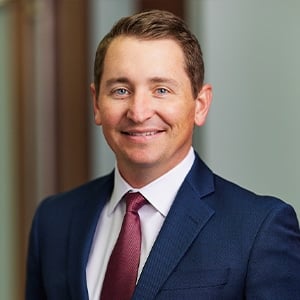
Dr. Bryan McLaughlin
Dr. Bryan McLaughlin is a Board-Certified Prosthodontist who combines advanced specialty training with a thoughtful, patient-centered approach. His background in prosthodontics, digital dentures, and complex restorative care allows him to help patients rebuild comfort, function, and confidence in their smiles.

Dr. Nisha Patel
Dr. Nisha Patel is a Board-Certified Prosthodontist with extensive experience in advanced restorative care, digital dentistry, and comprehensive treatment planning. She brings warmth, skill, and attention to detail to her care while helping patients work toward healthier, stronger smiles.
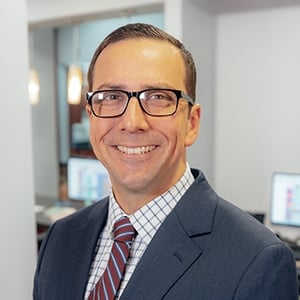
Dr. Stephen Peterman
Dr. Stephen Peterman is a Board-Certified Prosthodontist with a strong background in advanced restorative dentistry, military dentistry, and dental education. He is dedicated to helping patients restore comfort, function, and confidence through clear communication and high-quality prosthodontic care.