Genetic Dental Conditions
Play With Sound
Genetic dental conditions can affect you throughout your life, but you don’t have to handle them alone. Middle Tennessee Prosthodontics is here for you, and our team is highly trained in treating genetic dental conditions.
We treat patients of all ages with various dental conditions, using prosthodontics, advanced cleaning routines, and cosmetic dentistry solutions, especially those with ectodermal dysplasia. You and your family members don’t have to live in pain or shame. Contact our office to find solutions to your genetic dental conditions.
We take an interdisciplinary approach, working as a team with pediatric dentists, surgeons, and orthodontists to restore function and esthetics.
Understanding Genetic and Inherited Dental Disorders
Genetic dental disorders are issues with your teeth that are caused by your DNA. You are born with them, and they require management throughout your life. Some genetic dental disorders can be inherited from your parents, while other times, the gene mutation starts with you.
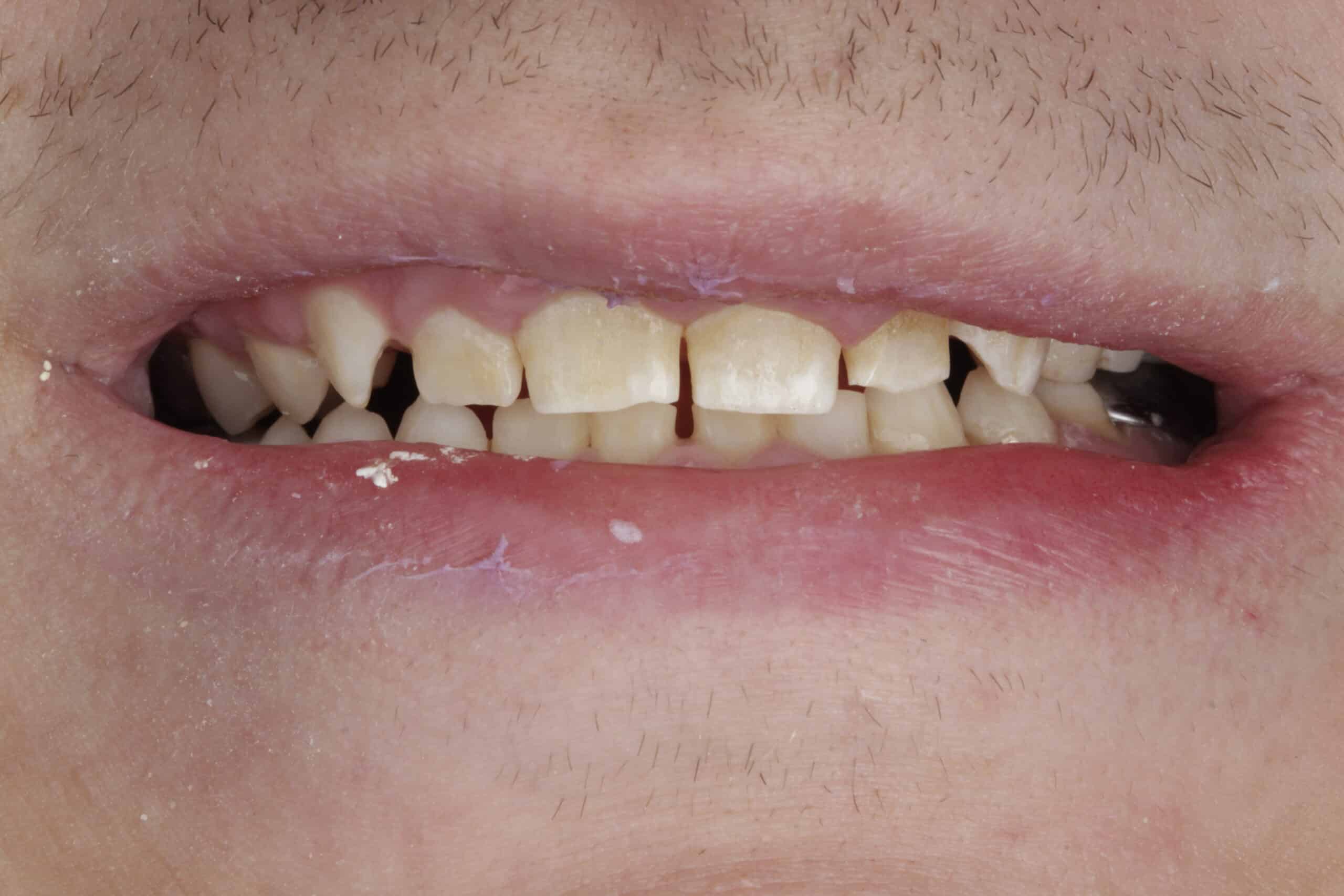
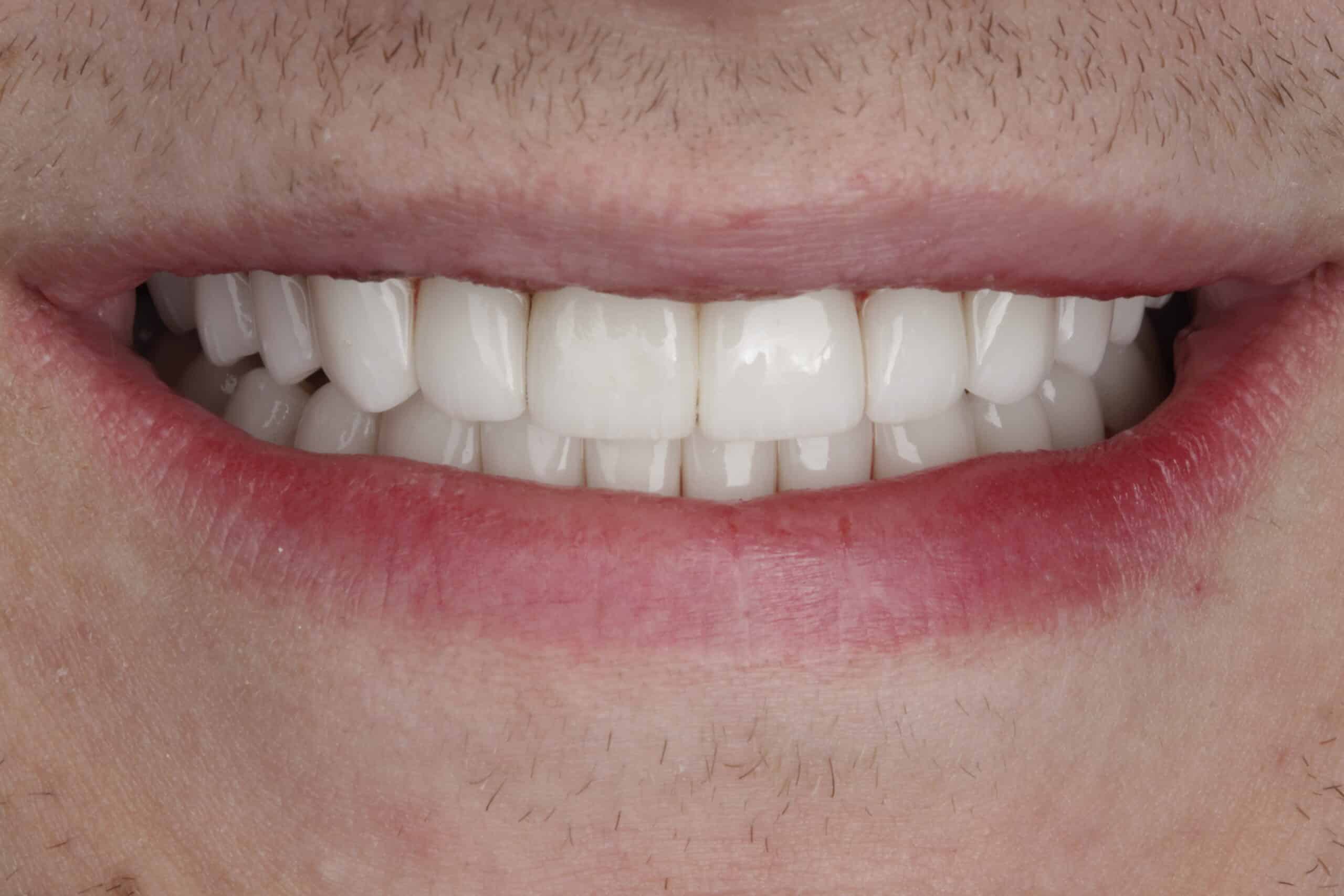
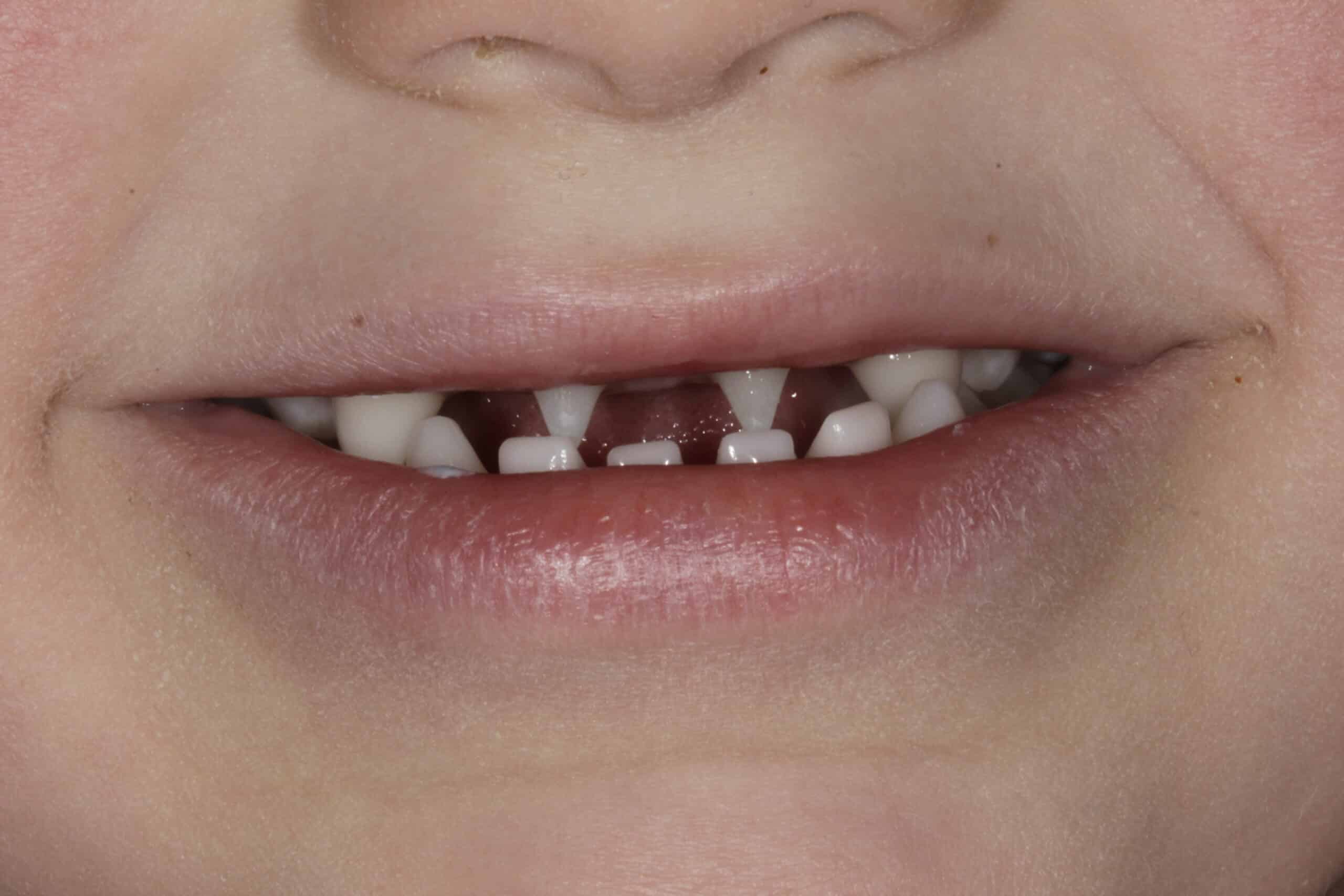
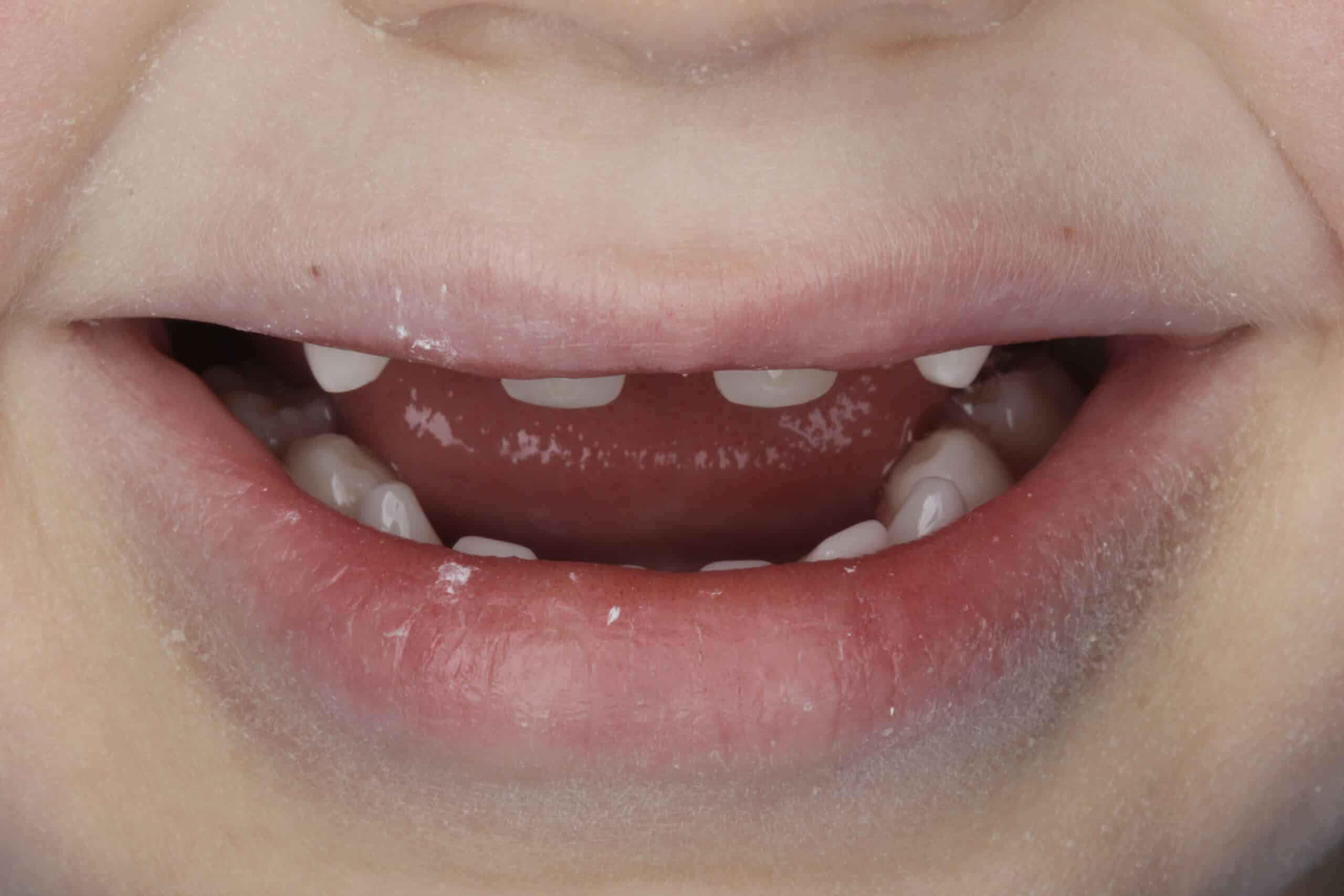
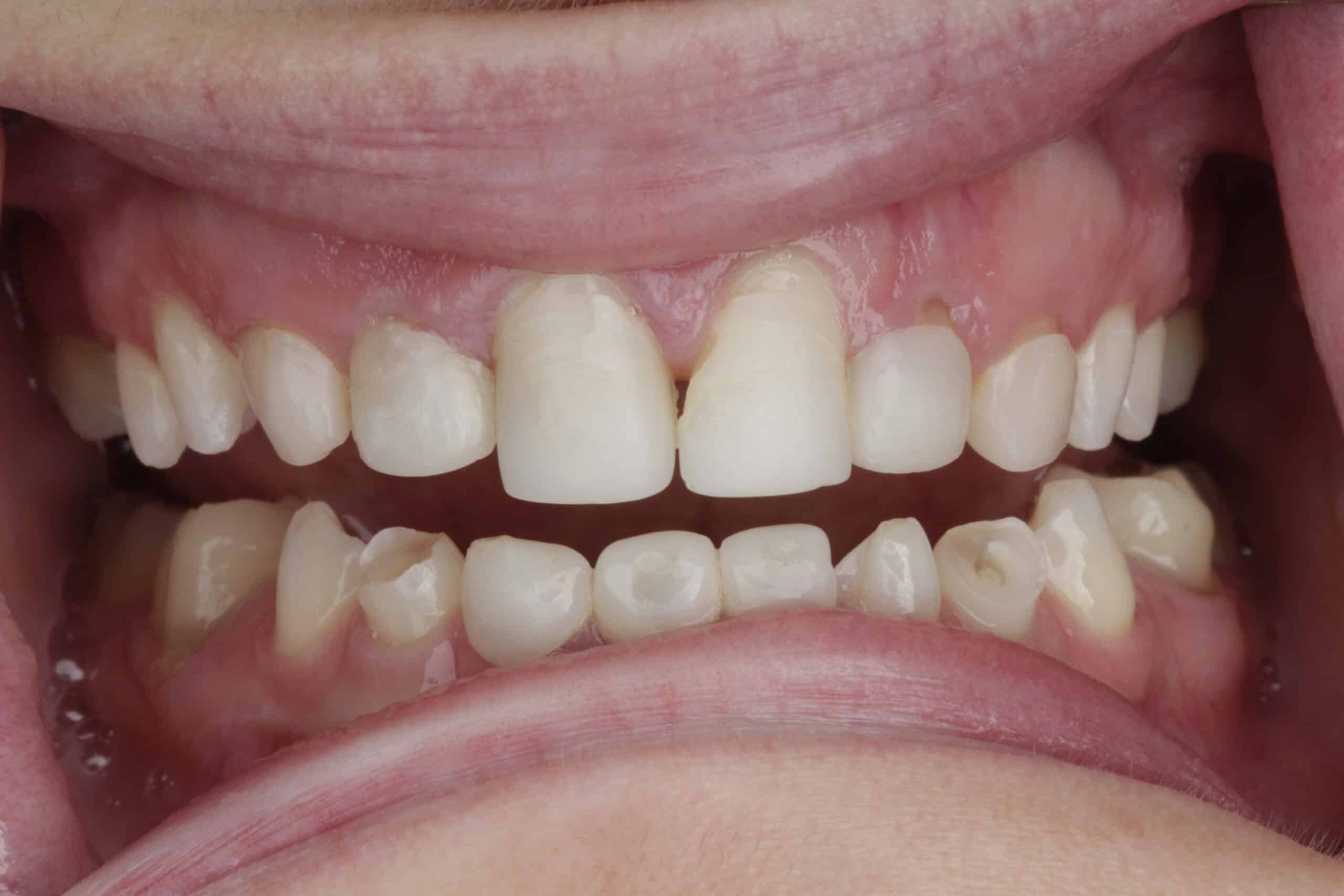
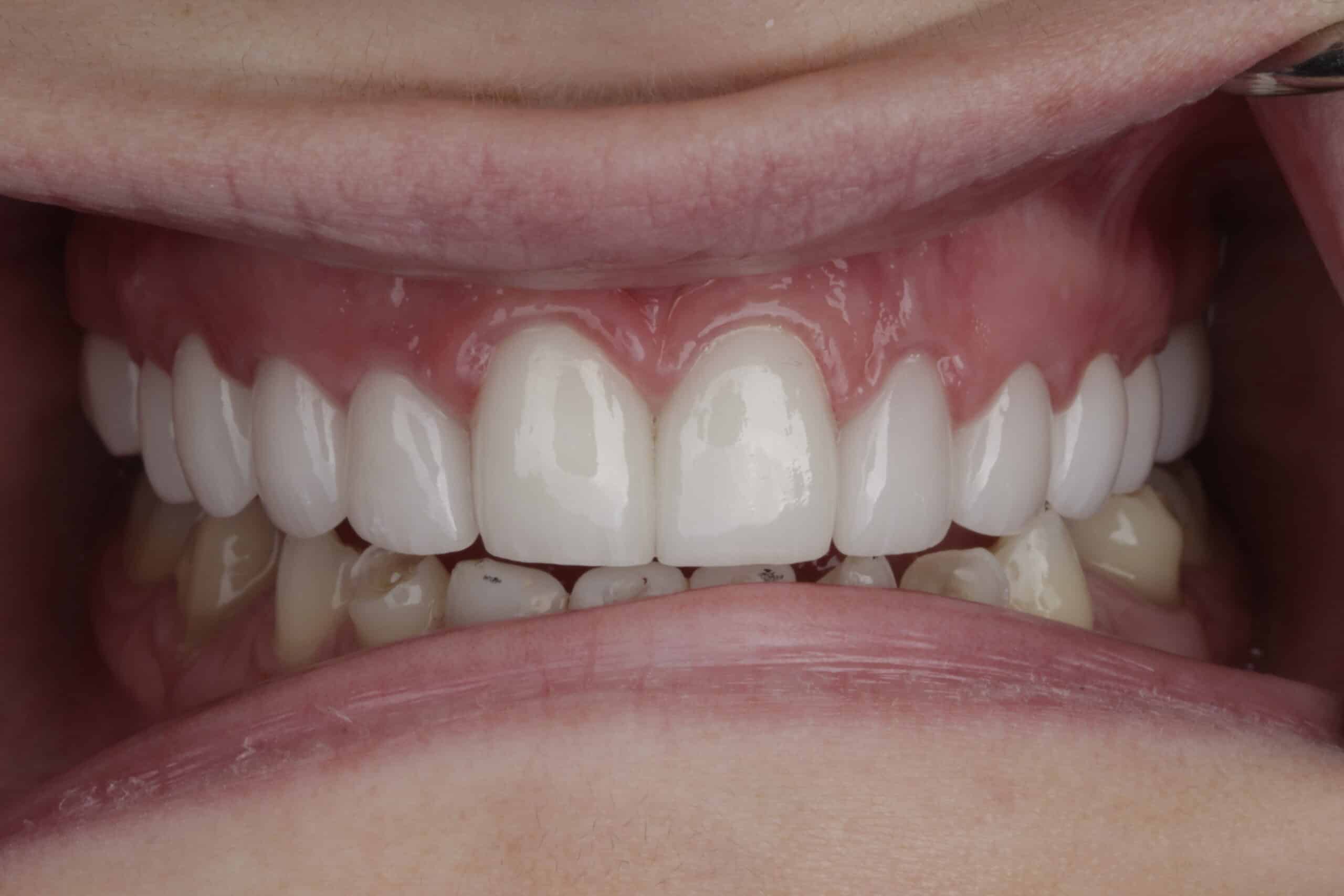
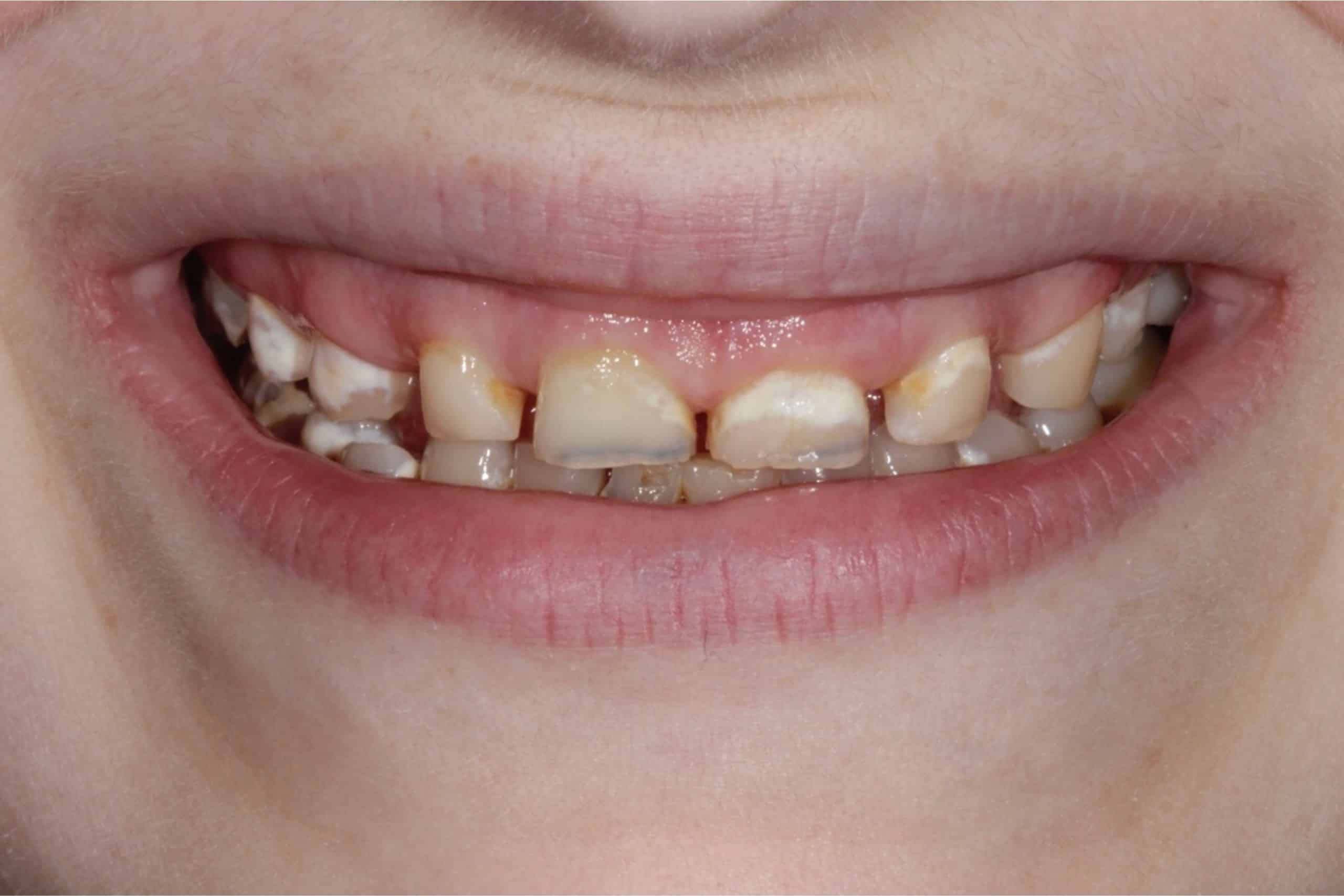
Genetic dental issues can cause a variety of issues, such as:

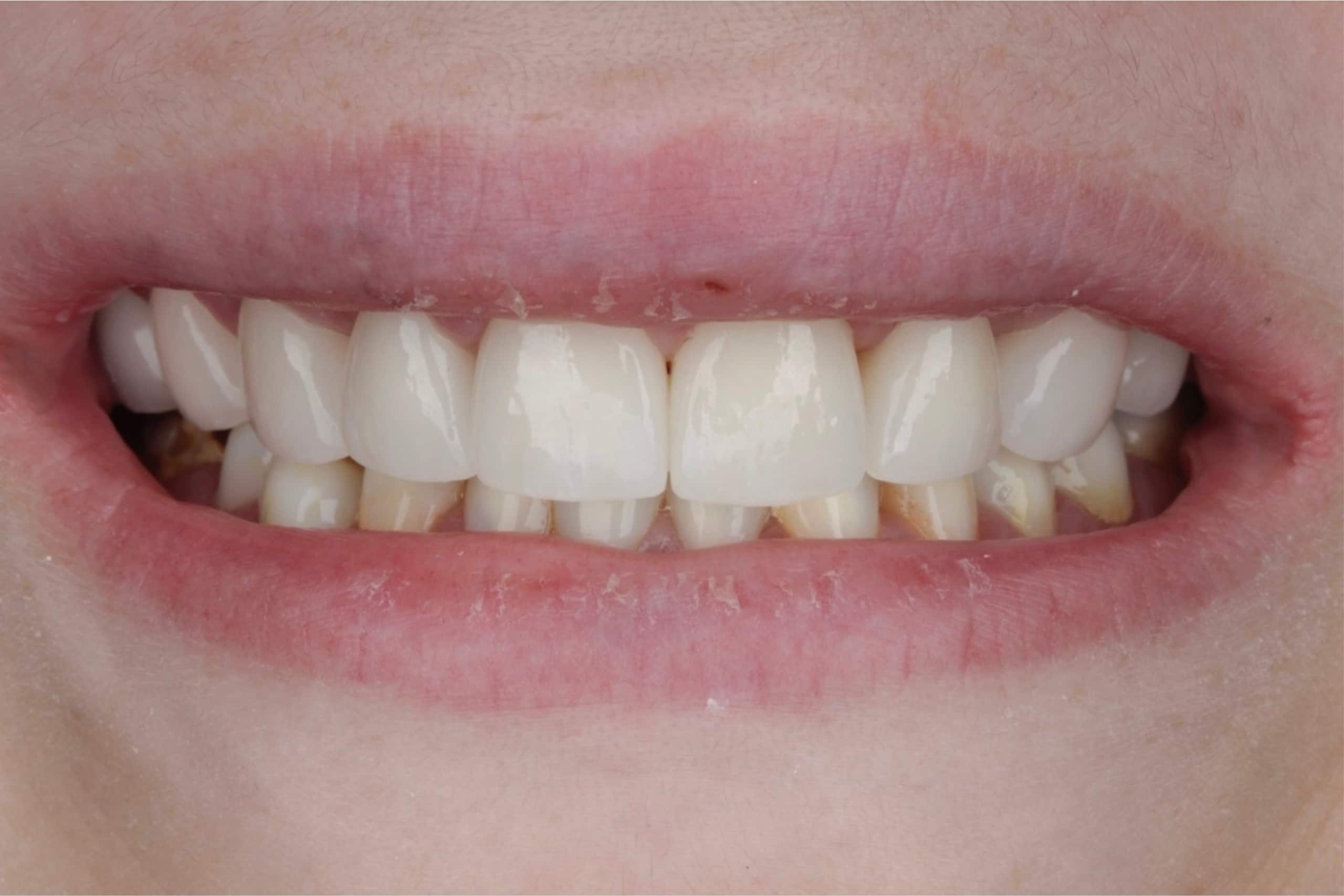
Diagnosing Your Genetic Dental Disorder
Most often, a dentist is the first to notice signs of genetic dental disorders during a pediatric visit, after which they may refer the child to a primary care doctor for diagnosis.
One way a primary care doctor can diagnose your genetic condition is through genetic testing. This process uses your saliva to analyze your genes and detect serious genetic anomalies. Your dentist and primary care doctor can use your specific information to customize a long-term plan for you.
Genetic testing allows us to create a plan that isn’t just a band-aid solution; it is a plan that is custom and long-lasting. While genetic testing is still a fairly new technology, it has the potential to revolutionize how we treat genetic dental concerns.
Our team understands the importance of working with other specialists and your primary care doctor to help you receive holistic care and a proper diagnosis.
If your child has been tested for a genetic dental disorder, our prosthodontists can work with your primary care provider to properly care for your child’s teeth from an early age—working around any dental disorders. We welcome children in for cleanings and prosthodontic care.


Common Genetic Dental Issues and How We Treat Them
Many genetic dental issues have complicated names that make them sound scarier than they are. We seek to make your dental treatment of genetic disease simple and comfortable. This list includes a common name and its scientific name so you can understand what you might be dealing with a bit better.
We care for patients with genetic conditions that affect their teeth, like amelogenesis imperfecta, dentinogenesis imperfecta, and ectodermal dysplasia. Using a team-based approach with other dental specialists, we create personalized solutions to restore comfort, function, and confidence—one smile at a time.
– Dr. Stephen Peterman
Am I At Risk for a Genetic Dental Disorder?
Family Ties and Oral Health
Understanding your family’s past dental history can help you know what to look out for in your smile and in your children’s smiles. Some genetic conditions, such as ectodermal dysplasia and amelogenesis imperfecta, can be passed down to children.
When you come in to visit our office over a genetic concern, we will ask you about your family’s dental history. These questions are especially pertinent when it comes to grandparents and parents. We may ask questions such as:

- Do you know if your family has a history of genetic dental disorders? If so, do you know what they are?
- Do any of your family members exhibit teeth that are discolored, pitted, or of an odd shape?
- If you have children, have they shown signs of or been diagnosed with a dental disorder?
- Has anyone in your family had teeth that never grew in or had too many teeth that had to be removed?
If you answered yes to one or more of these and are struggling with poor oral health or cosmetic issues, your concerns might be linked to a genetic tooth issue.
Keep in mind that some dental issues, such as receding gums or crooked teeth, can be passed down by family, but they are not a genetic disorder.
Why Choose Us for Genetic Dental Disorder Care?
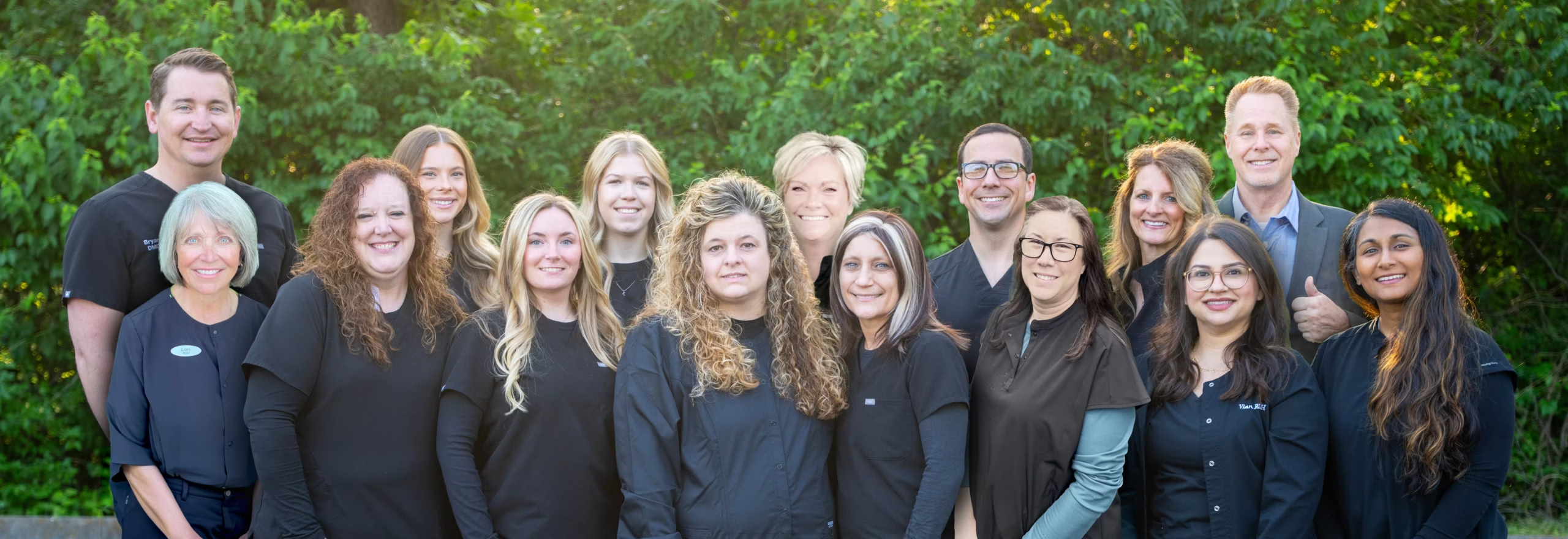
Genetic dental disorders often require more than routine dental care—they require thoughtful planning, specialized expertise, and a team that understands how your condition may change throughout life. At Middle Tennessee Prosthodontics, we simplify complex cases with personalized treatment plans designed to restore function, comfort, and confidence. Our practice emphasizes collaboration, craftsmanship, and long-term relationships with patients facing lifelong dental challenges.

My Child or I HaVE Been Diagnosed with Ectodermal Dysplasia
An ectodermal dysplasia diagnosis can feel overwhelming at first, but with the right team, your child or family member can enjoy a healthy, functional smile throughout every stage of life. Because ectodermal dysplasia affects much more than teeth, long-term care often involves several healthcare professionals working together.
We help coordinate your dental care with other providers to create treatment plans that support healthy growth, comfort, speech, nutrition, and confidence.
Learn More
Understanding ectodermal dysplasia is the first step toward making informed decisions. As your child grows, their dental needs will change, and learning about the condition can help you anticipate future treatment options. We take time to explain your diagnosis, discuss how it may affect oral development, and answer your questions so you can feel confident about each stage of care. To learn more about ectodermal dysplasia, you can visit the National Foundation for Ectodermal Dysplasia site.
Connect with Clinicians Across Different Disciplines
Ectodermal dysplasia is best managed through a collaborative approach. Our prosthodontists frequently work alongside:
- Pediatric dentists
- Orthodontists
- Oral and maxillofacial surgeons
- Primary care physicians
- Medical geneticists
- Speech-language pathologists when appropriate
By coordinating with your healthcare team, we help ensure your dental treatment complements your overall health and developmental needs rather than addressing your teeth in isolation.
Don’t Delay Intervention and Care
Early dental care can make a significant difference for patients with ectodermal dysplasia. Even if your child is very young, regular evaluations allow us to monitor jaw development, preserve existing teeth, and recommend appliances or restorations when appropriate.
As children grow, treatment evolves with them. We may begin with preventive care, bonding, or removable prosthetics before transitioning to more permanent solutions such as implant-supported restorations in adulthood. Starting care early helps support normal speech, chewing function, facial development, and self-confidence while reducing complications later in life.
Receive Oral Care for Genetic Dental Conditions with Our Team
Our office is the most experienced prosthodontic office in Brentwood, Tennessee. If you are looking for solutions for your dental needs, we can help!
Our judgment-free office has a variety of custom solutions for your smile. We understand you might be nervous, which is why we can set up a no-strings-attached consultation for you to learn more about how we can help your smile look and feel its best, no matter what conditions may be affecting your teeth. Reach out for a consultation today.