Maxillofacial Conditions
Play With Sound
Our office in Brentwood, TN, completes a variety of maxillofacial surgeries, including cleft lip and jaw surgeries. If you are looking for compassionate care from highly trained professionals, our office can help you.
Contact us today to learn about your surgical and oral prosthetic options.

When Should I Consider Surgery or Maxillofacial Solutions?
We provide maxillofacial prosthodontic care to help restore comfort, function, and appearance for patients facing complex oral or facial conditions, with a focus on healing, confidence, and quality of life.
– Dr. Bryan McLaughlin
How We Treat Jaw Resections from Trauma and Cancer
Jaw resections are when part of your jawbone is lost or removed. This happens for many reasons, including:
- Jaw cancer
- Tumors
- Trauma to the jaw, including broken jaws
- During some orthognathic surgeries
Prostheses are different than bone grafts, which are created with natural materials. Grafts are often made using bone from your body. Prostheses use synthetic materials to create a replacement piece of your jaw.

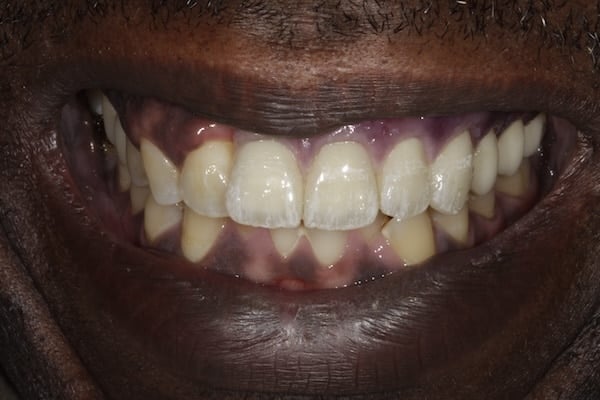
This patient had a maxillary tumor, had surgery for the affected section, and received a prosthesis to complete the smile.
Cleft Lip and Palate: From Diagnosis to Reconstruction
Cleft Lip and Palate: From Diagnosis to Reconstruction
Cleft palate or lip is a congenital condition, but that doesn’t mean a child has to live with the issue their entire life. Modern solutions help parents and children feel confident in their quality of life and appearance as the child grows up.
Cleft palate and cleft lip can happen together or separately. A pediatrician or ENT will diagnose cleft lip or palate in the hospital after a child’s birth, or can diagnose a cleft palate later if there are issues with feeding or speech.
Surgery for cleft lip often comes in two parts and may involve plastic surgery. They happen between 6 months and 1 year of age for children. Cleft palate surgery also happens around 1 year of age, and may involve a prosthetic placed over the soft palate called an obturator.
Surgery can be part of the solution, but so can prostheses such as:

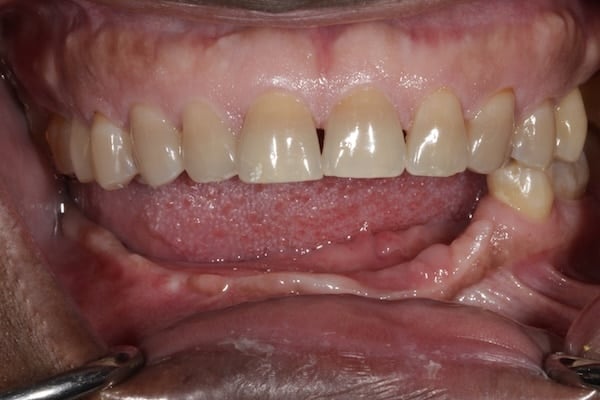
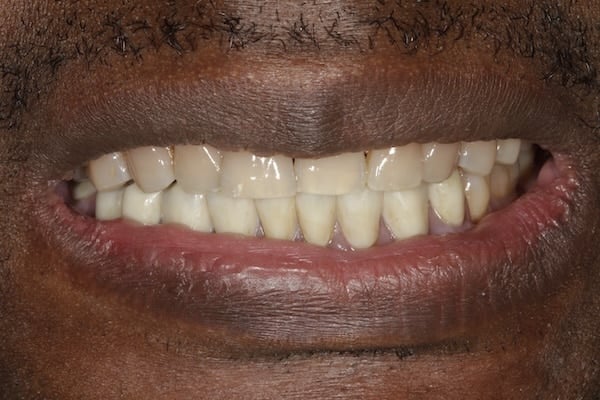
This patient had an ameloblastoma (a benign tumor). After surgery, we placed implants and did a bar and an implant overdenture.
Congenital or Traumatic Soft Palate Concerns and Solutions
Severe dental trauma, especially oral cancer, can force the removal of some of your soft palate. This can make speech difficult and can cause issues with your sinuses. However, Middle Tennessee Prosthodontics offers custom obturators that can seal defects and restore function and esthetics.
Occasionally, children are born with a velopharyngeal insufficiency, which is a condition where the soft part of the roof of the mouth (called the soft palate) doesn’t close tightly against the back of the throat when a person talks or swallows. Our office offers a palatal lift prosthesis to support your soft palate. These can be used throughout your life to help you have clearer speech and easier drinking and eating.
Prostheses and Surgeries for Ectodermal Dysplasia
What Is Ectodermal Dysplasia?
Ectodermal dysplasia is a group of inherited conditions that can affect the development of your teeth, jaw, hair, skin, nails, and sweat glands. From a dental perspective, many patients are born with missing teeth (hypodontia or anodontia), teeth that are smaller than normal, or teeth that develop with unusual shapes. These differences can make eating, speaking, and smiling more difficult while also affecting jaw development over time.
Because every case is unique, treatment often involves a team of specialists working together to restore both function and appearance. At Middle Tennessee Prosthodontics, we create personalized treatment plans designed around each patient’s stage of growth, oral health, and long-term goals.
For more information on ectodermal dysplasia, visit the National Foundation for Ectodermal Dysplasia site.


We Are Here for You During Recovery and Surgery
We work closely with your oral surgeons, cancer surgeons, and ENTs to create a comfortable prosthesis, no matter your maxillofacial concerns. Our team is here for you during recovery, and we welcome any questions you may have.
Why Choose Middle Tennessee Prosthodontics?
Not only are each of our dentists highly trained and come from service backgrounds in the U.S. military, but they are also deeply familiar with the range of genetic and traumatic conditions that require maxillofacial treatment.
We approach your care with compassion and experience.
- We will never suggest something that we don’t believe will improve your life.
- Each treatment and prosthetic will be customized to your smile for the ultimate comfort.
- Our office offers sedation dentistry so you can feel at ease during dental care.
- We offer dental technology that makes your visits quicker and easier.
Maxillofacial Condition FAQs
Find Comfortable Solutions for Your Maxillofacial Concerns
We understand that issues impacting your entire smile or face can be daunting, but our office is here for you. Our highly-trained team and technological advancements can help you find the right fit for your smile, whether that be surgery, prosthetics, or a combination of the two. To learn more about how we can help you, call for a consultation in Brentwood today.