
dENTAL Bridges
Play With Sound
Do you struggle with your smile because of multiple missing or broken teeth? When you have one or more missing teeth in a row, a dental bridge could be the right tooth replacement option to restore your smile.
At Middle Tennessee Prosthodontics, we provide dental bridges and many other tooth replacement options. As the most experienced board-certified prosthodontists within 400 miles, we specialize in tooth replacement, including dental bridges.
We will work with you to find the right restorative dentistry treatment, whether it’s a dental bridge, implant, or crown. Call us in Brentwood today to set up a consultation!
What Is a Dental Bridge?
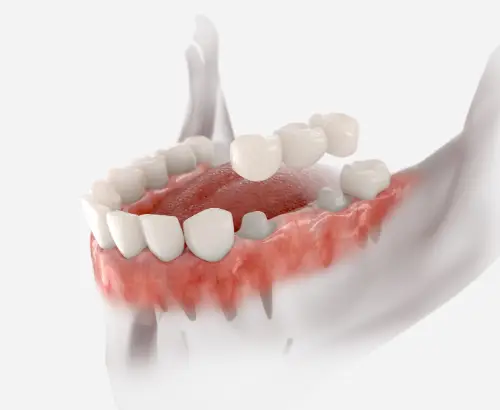
Dental bridges are a replacement tooth option that replaces one or more teeth in a row. They work just like they sound: a dental bridge “bridges” the gap in your teeth.
Your dental bridge is matched to the shade of your natural teeth, so after placement, the new dental appliance will blend right into your natural smile. Dental bridges also improve the stability of your overall mouth, as they protect your gums and prevent your teeth from shifting.
When your teeth are missing, it greatly affects your smile. At the same time, the missing tooth has the potential to negatively affect your oral hygiene because of unprotected gum exposure.
Dental bridges are one of many options aimed at improving the appearance and function of your teeth by replacing the missing tooth or teeth. During your exam, we will discuss whether or not dental bridges are right for you.
Types of Dental Bridges
At Middle Tennessee Prosthodontics, we provide traditional bridges, implant-supported bridges, and full-arch implant bridges. Learn more about each of these options below.
The most common kind of dental bridge involves placing dental crowns on either side of the missing teeth. The artificial teeth called pontics are between the crowns. It’s also common to attach the pontics to two of your natural teeth, if they are strong enough.
Traditional bridges are best if the teeth on both sides of the gap are healthy.
An implant-supported bridge uses two dental bridges on either side instead of your natural teeth. This process does take longer than a traditional dental bridge, but it’s usually more durable and longer-lasting.
Before receiving the bridge, the dental implants will need time to completely heal and fuse with your jawbone. An implant-supported bridge is usually the best option if you have three or more missing teeth in a row.
For patients with extensive tooth loss, full-arch implant bridges offer a transformative solution. This advanced option replaces an entire arch of teeth, supported by strategically placed dental implants. Full-arch implant bridges provide unparalleled stability, allowing patients to chew, speak, and smile with confidence.
These restorations are custom-designed to match your natural teeth, ensuring optimal aesthetics and functionality. Full-arch implant bridges are ideal for patients seeking a secure, permanent alternative to traditional dentures.
Learn more on our Teeth in a Day page or All-on-X page.
How do I know which type of bridge is right for me?
Your overall oral health, the number of missing teeth, and the condition of your surrounding teeth all influence which bridge will serve you best. During your consultation, we evaluate your bite, bone support, and long-term goals to recommend a solution that protects both function and aesthetics.
Benefits of Dental Bridges
Dental bridges can help you experience a variety of benefits, including:
- Restored Function: Bridges fill the gap in your teeth to help you eat and speak without issue.
- Improved Oral Health: Gaps in your teeth can affect your gums, jaw, and neighboring teeth by increasing the chances of infection and reducing jawbone density.
- Management of Alignment Issues: Gaps in your smile can cause your teeth to shift, causing long-term issues with your smile, such as uneven wear and tear and pain.
- Enhanced Smile Appearance: Gaps can disrupt the harmony of your smile, but bridges naturally fill it, helping your smile appear symmetrical and natural.
If you receive implant-supported bridges, they come with additional benefits. They provide necessary support for your jaw, preventing bone loss due to tooth loss. On top of that, implant-supported dental bridges do not require alteration of adjacent teeth and can replace more than one tooth.

The Process for Receiving a Bridge
Receiving a bridge typically takes a couple of appointments. We take time to make sure that your questions are answered and that you are satisfied with your smile.
Here are the steps for receiving a dental bridge in our welcoming Brentwood office.
Comparing Traditional and Implant-Supported Bridges
When deciding how to replace a missing span of teeth, it helps to understand how each type of bridge supports your long-term health, comfort, and function. Both traditional and implant-supported bridges can restore your ability to chew and smile with confidence, but they do so in different ways. Our role as board-certified prosthodontists is to guide you toward the solution that best supports your smile’s stability over time.

During your consultation, we will evaluate your bone health, the condition of nearby teeth, and your long-term goals. Whether a traditional or implant-supported bridge is right for you, our team will help you get a restoration that fits you and your needs.
Caring for Your Dental Bridge
A consistent home-care routine helps protect both your dental bridge and the teeth that support it. Daily brushing with a soft-bristled toothbrush keeps plaque from accumulating around the edges of your bridge, especially along the gumline where buildup is most common. Cleaning underneath the pontic is just as important—using a floss threader or water flosser allows you to remove food particles and bacteria from areas that a toothbrush cannot reach. This helps maintain healthy gums and reduces the risk of decay in the neighboring teeth.
It’s also helpful to avoid chewing directly on very hard or sticky foods, as these can place unnecessary pressure on your bridge over time. Regular dental visits allow us to monitor the fit, check the surrounding teeth, and make small adjustments when needed so your restoration remains comfortable and secure.
Call Our Brentwood Office Today for an Appointment!
Dental bridges are an effective way to enhance your smile when you have a few missing or damaged teeth. Whether you need a traditional dental bridge or an implant-supported option, we also care about the aesthetics of your smile. When we place your dental bridge, we will ensure it matches your natural teeth and complements your smile.
Are you wondering if a dental bridge is the right option for you? We are happy to help! It’s easy to get started. Just call or message Middle Tennessee Prosthodontics in Brentwood, TN, today to request an appointment!
Meet the Doctors

Dr. Bryan McLaughlin
Dr. Bryan McLaughlin is a Board-Certified Prosthodontist who combines advanced specialty training with a thoughtful, patient-centered approach. His background in prosthodontics, digital dentures, and complex restorative care allows him to help patients rebuild comfort, function, and confidence in their smiles.

Dr. Nisha Patel
Dr. Nisha Patel is a Board-Certified Prosthodontist with extensive experience in advanced restorative care, digital dentistry, and comprehensive treatment planning. She brings warmth, skill, and attention to detail to her care while helping patients work toward healthier, stronger smiles.

Dr. Stephen Peterman
Dr. Stephen Peterman is a Board-Certified Prosthodontist with a strong background in advanced restorative dentistry, military dentistry, and dental education. He is dedicated to helping patients restore comfort, function, and confidence through clear communication and high-quality prosthodontic care.