
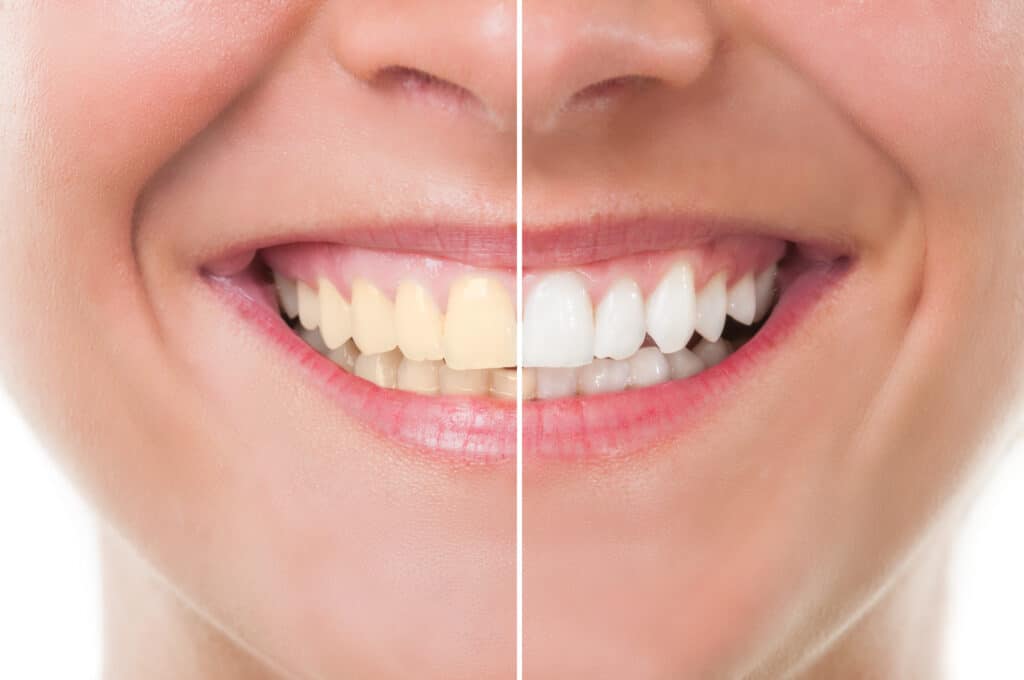
A brighter smile can make a meaningful difference in how you feel each day, but many patients hesitate to whiten their teeth because they worry about sensitivity. At Middle Tennessee Prosthodontics, we understand that comfort is just as important as achieving beautiful results.
Tooth sensitivity during or after whitening is common, yet with the right approach, it can be minimized and often avoided entirely. By choosing a whitening system tailored to your needs and following a thoughtful care routine, you can enjoy a confident, refreshed smile with far less discomfort.
Why Whitening Can Cause Sensitivity
During whitening, the enamel’s pores temporarily open so the whitening agent can lift deep stains. This process can occasionally expose the underlying dentin, which naturally reacts to temperature changes or certain foods. While the sensation can be uncomfortable, it is typically short-lived and does not indicate damage. Understanding this process helps patients prepare and choose a treatment method that’s safe and comfortable for their smile.
Choosing Whitening Options Designed for Comfort
Professional whitening remains the most predictable and comfortable option for patients who want to minimize sensitivity. When you whiten under the guidance of a dental specialist, every step is customized—the strength of the whitening gel, the type of formula used, and the pacing of your treatment plan. This reduces the risk of irritation and allows us to support your enamel throughout the process.
Many professional systems also include built-in desensitizing ingredients, such as potassium nitrate or fluoride, which calm the tooth’s nerve response. For patients who have experienced sensitivity with over-the-counter strips, customized whitening trays or lower-concentration gels can offer a gentler alternative without compromising results.
Preparing Your Smile Before Whitening
A comfortable whitening process begins before treatment. Strengthening and protecting your enamel in the days or weeks leading up to whitening can significantly reduce discomfort.
Here are a few helpful steps:
- Use a fluoride or remineralizing toothpaste, which helps reinforce enamel.
- Switch to a soft-bristled brush, which reduces irritation around the gumline.
- Begin desensitizing toothpaste early. Using it 1–2 weeks prior calms nerve pathways inside the teeth.
- Limit acidic foods and beverages, which helps keep enamel strong before whitening.
These simple habits prepare your teeth for a smoother experience.
Managing Sensitivity During Treatment
If you are using customized take-home trays, you may benefit from shortening your wear time or spacing treatments out over several days. During your consultation, we design a plan that matches both your whitening goals and your comfort level.
Lower-concentration gels can be used when needed, especially for patients with naturally thin enamel or a history of sensitivity. In some cases, applying a desensitizing gel directly in your tray for a few minutes before whitening can significantly reduce discomfort. These small adjustments can still offer you revolutionary results without the pain from sensitive teeth.
Caring for Your Teeth After Whitening
As your enamel rehydrates and the pores begin to close, your teeth may feel more responsive to temperature for a short period.
To support your comfort after treatment:
- Continue desensitizing toothpaste for several days
- Avoid very hot, cold, or sugary foods temporarily
- Use a straw for chilled beverages
- Wait for sensitivity to fully resolve before performing any touch-up whitening
Most sensitivity fades quickly, especially with proper home care
When to Contact Your Dentist
A mild, temporary response is expected, but if sensitivity becomes sharp, persistent, or lasts longer than a few days, it may signal an underlying concern unrelated to whitening. Our team can help determine the cause and create a plan to protect your comfort and long-term oral health.
Enjoy a Brighter Smile with Confidence
Whitening should be a comfortable, positive experience. With professional guidance and thoughtful at-home care, you can brighten your smile while keeping sensitivity to a minimum. If you’re ready to explore whitening options tailored to your comfort, we’re here to guide you every step of the way.